
Find relief from the ringing.
Tinnitus management is a comprehensive approach to addressing tinnitus symptoms—persistent ringing, buzzing, or other ear sounds—through evaluations, counseling, and customized treatment plans.
- Sound Therapy
- Cognitive Therapy
- Lifestyle Modifications
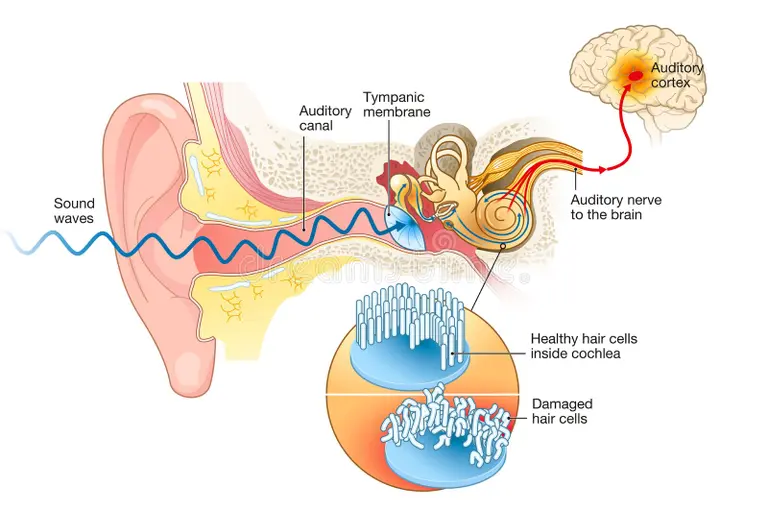
Did You Know
Tinnitus isn’t a disease — it’s a symptom of various conditions.

What is Tinnitus
A phantom noise without an external source.
What might be causing your tinnitus
Exposure to loud noises
Aging
Ear infections
High blood pressure
Earwax buildup
Otosclerosis
TMJ disorders
Medications
Head & neck injuries
How we diagnose tinnitus
Medical history review
- A thorough review of your medical history to identify potential causes and contributing factors to your tinnitus.
- Your audiologist will inquire about your exposure to loud noises, medications you are taking, and any existing health conditions, such as high blood pressure or ear infections.
- Understanding your medical history helps in identifying potential causes and tailoring the appropriate treatment plan.
Conduct hearing test
- A detailed hearing assessment is conducted to assess the extent and nature of hearing loss, which is often associated with tinnitus.
- This assessment measures your ability to hear sounds at different pitches and volumes.
- By determining the specific frequencies affected by hearing loss, the audiologist can better understand the severity of your tinnitus and its impact on your hearing.
Advanced Imaging (optional)
- In some cases, advanced imaging techniques may be recommended to explore any underlying structural issues contributing to tinnitus.
- These optional tests, such as magnetic resonance imaging (MRI) or computed tomography (CT) scans, provide detailed images of the ear and brain structures.
- Advanced imaging can help identify abnormalities, such as tumors or vascular issues, that may be causing or exacerbating tinnitus symptoms.
How we help you manage tinnitus
Sound therapy
Using soothing sounds to mask or reduce the perception of tinnitus, helping you focus and find relief throughout the day.
Cognitive-behavioral therapy
CBT helps change your reactions to tinnitus, reducing its emotional impact and improving your quality of life over time.
Lifestyle modifications
Daily habit adjustments—sleep routines, stress management, sound environment—that help reduce the impact of tinnitus.
When To Seek Help
If your tinnitus has lasted more than 6 months
Common questions about Tinnitus
Can tinnitus be cured?
Currently, there is no cure for tinnitus, but there are treatments to manage its symptoms. Various therapies—sound therapy, cognitive-behavioral therapy (CBT), and the use of hearing aids—can significantly reduce the impact of tinnitus on daily life. These treatments focus on managing symptoms, minimizing discomfort, and improving the quality of life for individuals with tinnitus.
How can I sleep with tinnitus?
Sleeping with tinnitus can be challenging, but several techniques can help: use white noise machines or apps that generate soothing sounds like ocean waves, rain, or gentle music to mask the ringing; practice relaxation techniques such as deep breathing, meditation, or progressive muscle relaxation before bed; maintain a regular sleep schedule and create a calming bedtime routine. Should these techniques be ineffective, consult your audiologist for additional interventions.
Will tinnitus go away on its own?
In some cases, tinnitus may resolve on its own, especially if it is temporary and caused by factors such as exposure to loud noise or earwax blockage. However, persistent tinnitus lasting more than six months typically requires professional evaluation and management. Early intervention can help prevent the condition from worsening and ensure proper symptom management.
How much does tinnitus treatment cost?
The cost of tinnitus treatment varies depending on the specific therapies and interventions used. Factors influencing the cost include the type of treatment, the duration of therapy, and the need for hearing aids or sound generators. For detailed pricing information and to discuss the most suitable treatment plan for your condition, please contact us directly.
How to book an appointment for tinnitus treatment?
You can call our office during business hours to speak with a representative who will assist you in scheduling an appointment. Alternatively, you can visit our website to book an appointment online. We look forward to helping you manage your tinnitus and improve your quality of life.